Understanding Atrial Fibrillation
Gain a clear understanding of atrial fibrillation (AFib), including its causes, symptoms, risk factors, diagnosis, and treatment options, so you can make informed decisions about your heart health with confidence.

What is Atrial Fibrillation?
Understanding the mechanics behind the irregular heartbeat
An Electrical Disruption in Your Heart
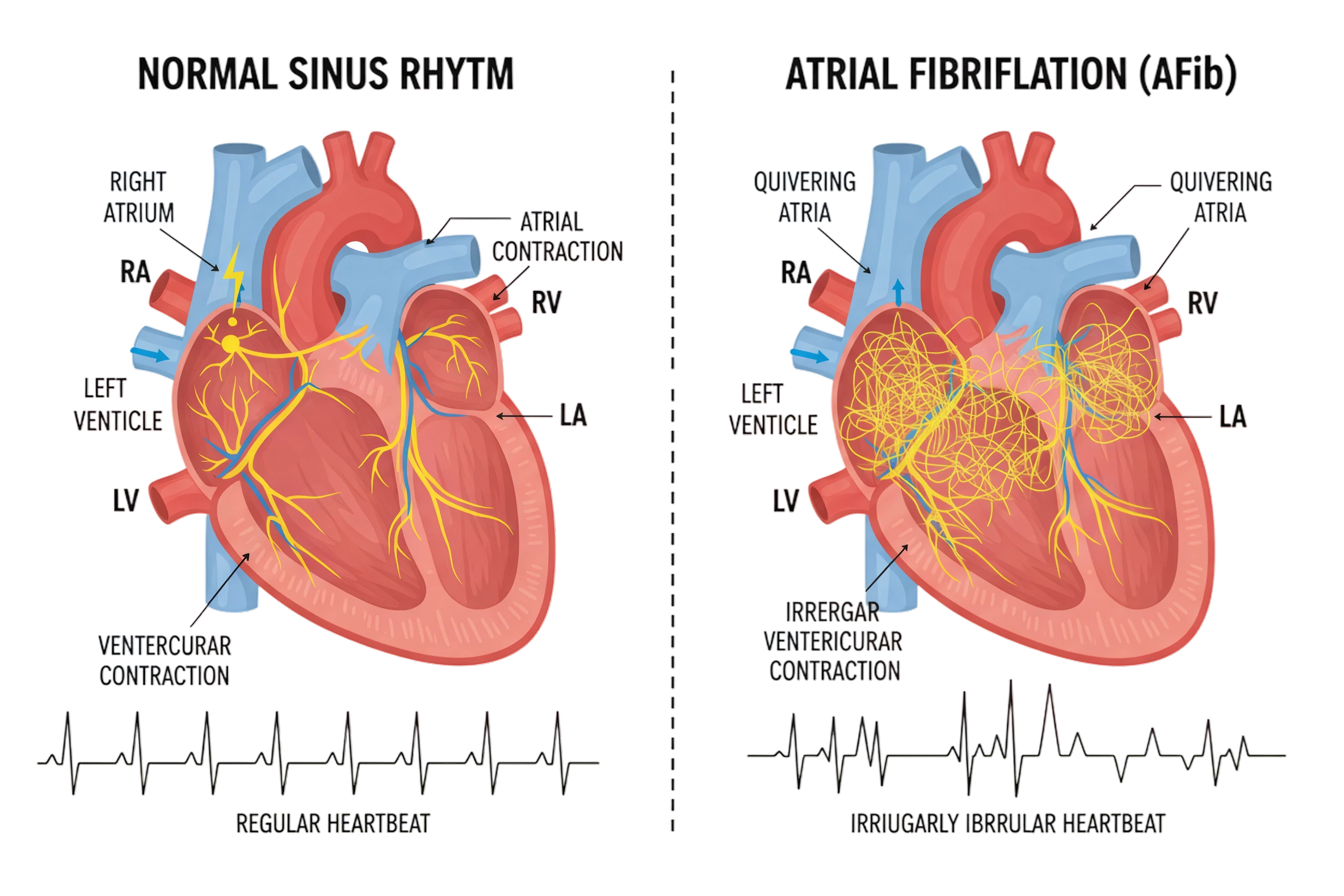
Atrial fibrillation is a quivering or irregular heartbeat (arrhythmia) that can lead to blood clots, stroke, heart failure, and other heart-related complications.
Normally, your heart contracts and releases to a regular beat. In AFib, the upper chambers of the heart (the atria) beat irregularly and out of sync with the lower chambers (the ventricles), causing chaotic electrical signals that disrupt normal blood flow.
During AFib, the atria can beat as fast as 300 to 600 times per minute, compared to a normal resting heart rate of 60 to 100 beats per minute.
Four Clinical Stages of AFib
Arrhythmias progress differently for each patient
- Self-terminating
Paroxysmal
Episodes that come and go spontaneously. They usually stop on their own within 7 days (often within 24 hours).
- Needs intervention
Persistent
Episodes that last longer than 7 days continuously. This type requires medical intervention (drugs or cardioversion) to stop.
- Lasts over 1 year
Long-Standing
Continuous AFib that has lasted for more than 12 months. The heart is in a constant state of irregular rhythm.
- Rhythm-control stopped
Permanent
The patient and doctor have decided to stop trying to restore a normal rhythm. Management shifts entirely to rate control.
Common AFib Symptoms
AFib symptoms can vary from subtle and occasional to intense and disruptive
Heart Palpitations
A sudden sensation of fluttering, racing, pounding, or irregular thumping in the chest.
Fatigue & Weakness
Feeling exceptionally tired during routine daily tasks or experiencing a generalized lack of energy.
Shortness of Breath
Difficulty catching your breath, especially during mild physical exertion or exercise.
Dizziness & Lightheadedness
Feeling faint or unstable on your feet due to temporary reductions in cardiac output.
Chest Pain or Pressure
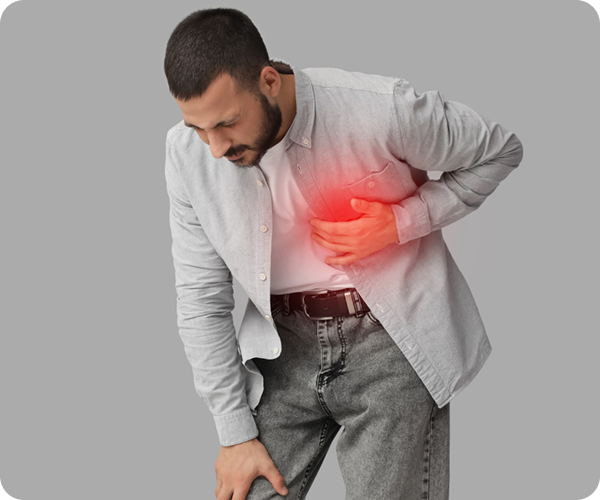
A feeling of discomfort or tightness. Any chest pain should be evaluated immediately by professionals.
Reduced Exercise Capacity
Inability to maintain standard physical workouts or active routines without feeling winded.
Mental Confusion
Difficulty focusing or feeling temporary brain fog during active episodes of rapid arrhythmia.
Irregular Pulse
A rapid, chaotic pulse that skips beats and feels highly inconsistent to the touch.
Causes vs Risk Factors
What triggers AFib and who is most likely to develop it
Direct Underlying Causes
AFib is typically triggered by damage or structural changes to the heart's electrical signaling network. Key causes include:
- Long-standing high blood pressure (Hypertension)
- Heart valve disease or coronary artery damage
- Previous heart attacks or surgeries
- Overactive thyroid gland (Hyperthyroidism)
- Congenital heart defects
- Chronic obstructive pulmonary disease (COPD)
Major Risk Factors
Certain lifestyle behaviors, demographics, and clinical conditions heighten your statistical probability of developing AFib:
- Advanced age (especially 60 and older)
- Obesity and metabolic syndrome
- Family genetic history of cardiac arrhythmias
- Frequent alcohol consumption
- Severe untreated Sleep Apnea
- Type 2 Diabetes
How AFib is Diagnosed
Accurate clinical detection is key to establishing an effective therapy pathway
ECG / EKG
The primary tool. Recreates the heart's electrical activity over several seconds to identify abnormal waveforms.
Holter Monitor
A portable ECG worn for 24 hours to multiple weeks to capture transient AFib episodes that occur outside the clinic.
Echocardiogram
An ultrasound of the heart to examine structural health, valve function, and detect blood clots in the atria.
Blood Tests
Conducted to rule out thyroid imbalances, metabolic abnormalities, or electrolyte issues that might trigger arrhythmia.
AFib Treatment Pathways
Therapies focus on stroke prevention, rate control, and rhythm normalization
Medications
First-line pharmaceutical therapy
- Anticoagulants (Blood thinners) to prevent stroke
- Beta-blockers for rate management
- Antiarrhythmics to stabilize heart rhythm
Procedures
Advanced cardiac interventions
- Catheter Ablation (minimally invasive)
- Electrical Cardioversion to reset rhythm
- Left Atrial Appendage Occlusion (LAAO)
Lifestyle Changes
Holistic self-care management
- Heart-healthy nutrition (Mediterranean diet)
- Managing sleep apnea with CPAP
- Stress reduction and limiting alcohol/caffeine
Can AFib be cured?
A person’s chances of developing AFib increase with certain lifestyle behaviors. For example – smoking, excessive alcohol consumption, unhealthy eating patterns, and little to no engagement in heart healthy exercise may all increase the onset of AFib. Connecting with an electrophysiologist who works together with patients to choose the best treatment options, based on the patient’s values and preferences is the optimum therapy for AFib.
At the Fix AFib clinic, we create collaborative partnerships with each patient to customize a unique treatment plan for their condition. Our exceptional team of world-renowned providers have a statistically higher success rate for treating AFib patients than other hospitals and programs.
Contact us today to start your journey back to wellness – simply complete the form to the right.
Living Well With AFib
Practical guidelines for daily life, risk reduction, and proactive safety
Daily Management Tips
Keep a detailed journal of trigger events (like dehydration or lack of sleep), stay physically active under clinical supervision, and meticulously adhere to prescribed medications.
When to Seek Emergency Care
Immediately go to the ER if you experience chest pain, sudden severe shortness of breath, sudden numbness or weakness in the face/limbs, or a fainting spell (syncope).
Continuous Monitoring
Modern consumer smartwatches can track irregular rhythms, but they should only be used as supportive tools alongside formal cardiology diagnostic hardware.