Atrial Fibrillation: AFib and Congestive Heart Failure
There are epidemics of atrial fibrillation (AFib) and heart failure in the United States. Heart failure affects approximately 6 million Americans over the age of 20. Atrial fibrillation is estimated to affect 5.2 million people in the U.S. The prevalence of heart failure and atrial fibrillation have increased over the past decades due in part […]
Atrial Fibrillation and High Blood Pressure
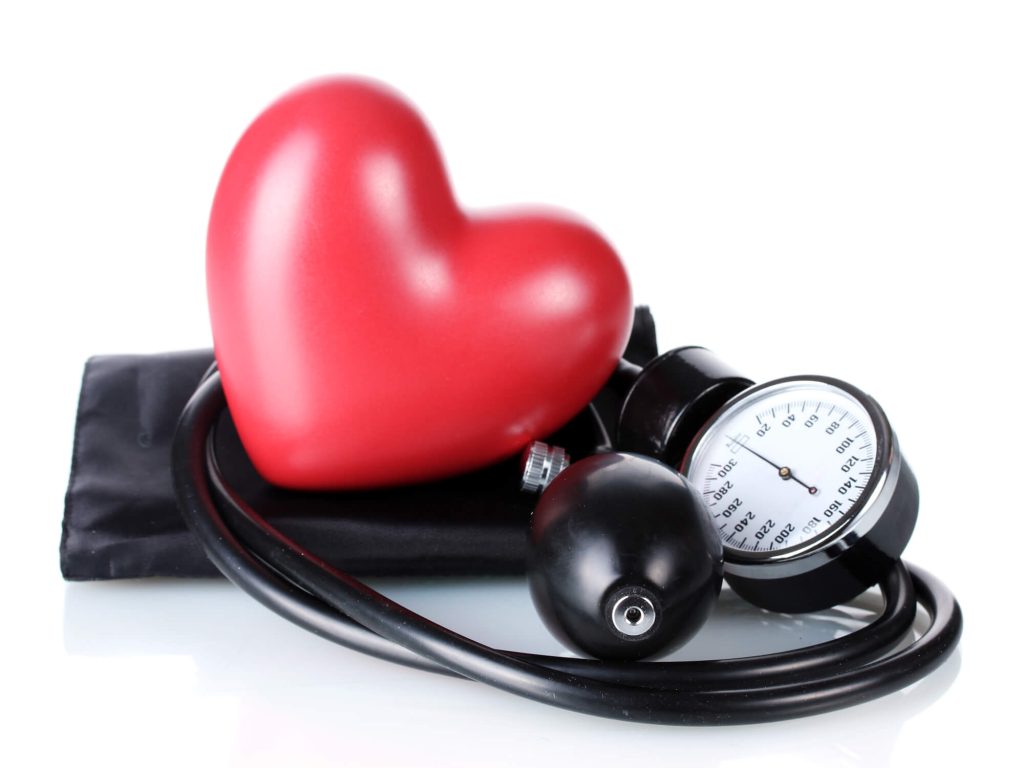
The normal heart rhythm is coordinated and regular. Atrial fibrillation is an abnormal heart rhythm (arrhythmia) that causes a chaotic and irregular heartbeat. High blood pressure is the most common cause of atrial fibrillation (AFib). High blood pressure has a major impact on the development, progression and outcomes of AFib. High blood pressure can cause […]
Atrial Fibrillation: Pathophysiology in Afib

Maria is a 65 year old female who presents to the emergency room complaining of shortness of breath and palpitations. A heart monitor confirms the presence of an abnormal heart rhythm (arrhythmia) and shows atrial fibrillation (AFib) with a heart rate of 130 beats per minute. The nursing staff tell her the doctor will be […]
How Does A CPAP Machine Help AFib?
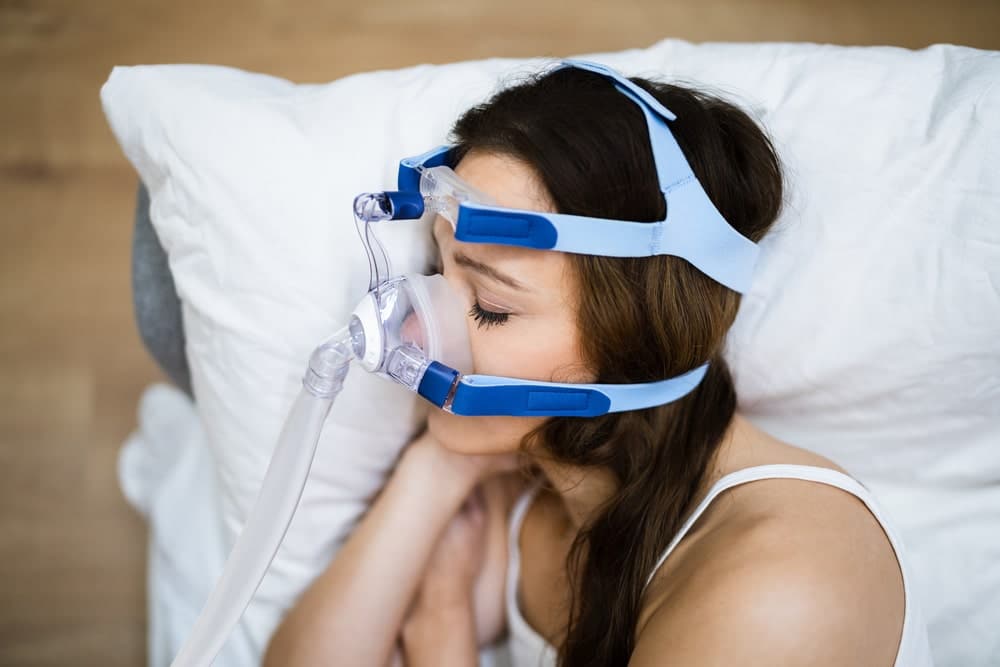
What Is A CPAP Machine? Continuous positive airway pressure (CPAP) is the most common treatment for obstructive sleep apnea. A CPAP machine delivers pressurized air through a hose that attaches to the nose. CPAP treatment for sleep apnea can help restore the natural breath cycle so you can sleep well and wake up feeling refreshed. […]
How is Losing Weight Interrelated to Atrial Fibrillation?
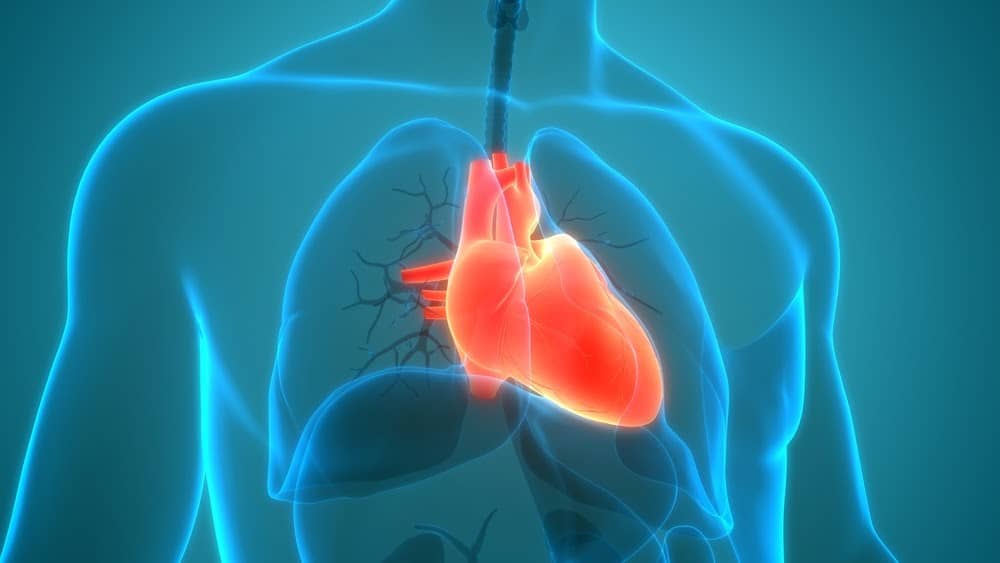
There are epidemics of atrial fibrillation (AFib) and obesity in the United States. AFib is the most common clinically significant arrhythmia (abnormal heart rhythm). It is estimated to affect over 5.2 million people in the United States and is predicted to affect 12.1 million by 2030. In 2013, 38% of adult Americans were obese (defined […]